
Emily Brontë: Wuthering Heights
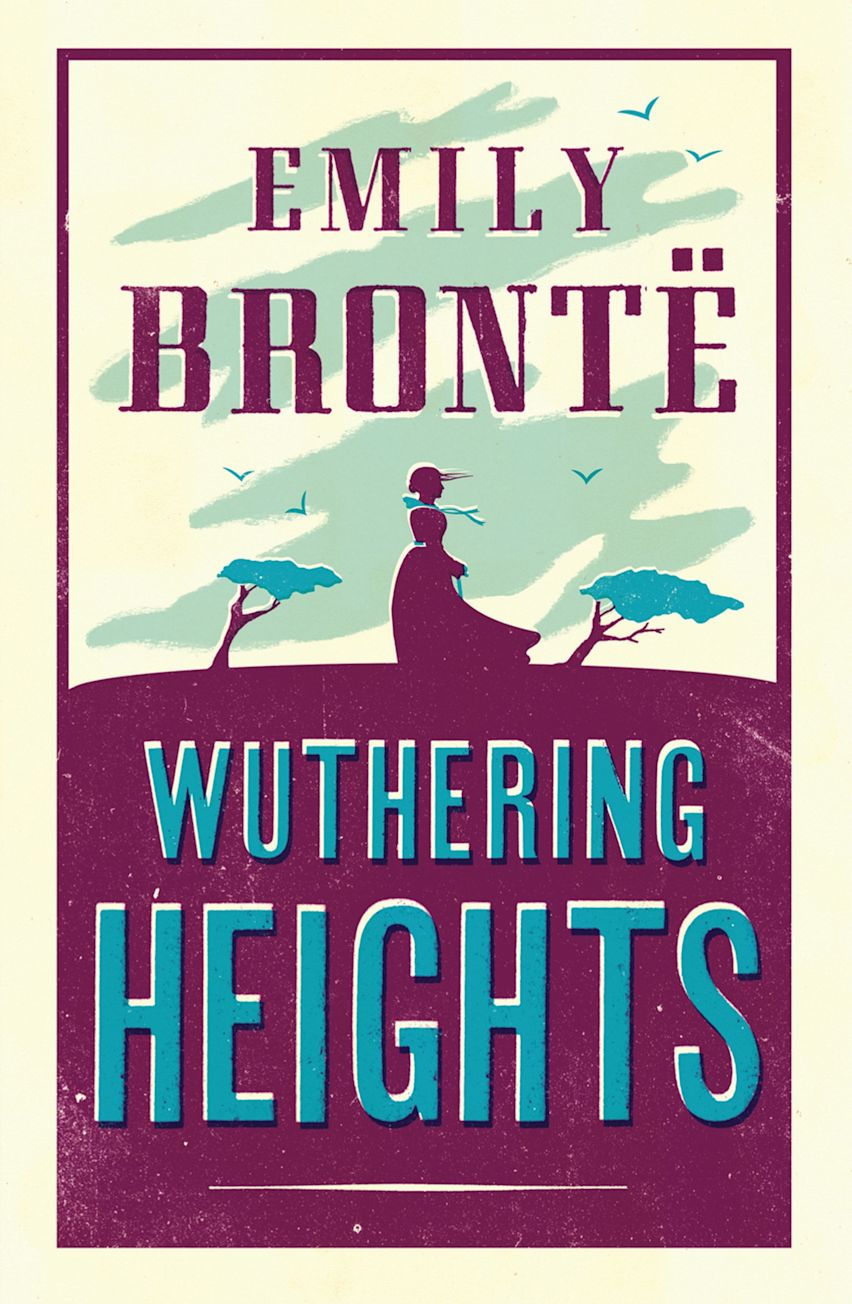
What do Barbie and the Gothic novel Wuthering Heights have in common? Apart from sharing the same actress in recent film adaptations, both are strikingly polarizing.
When Emily Brontë’s novel, set on the Yorkshire moors, was published in 1847, early reviewers called the story of Catherine Earnshaw and Heathcliff’s intense yet destructive love “strange,” “disagreeable,” even “miserable”.
I have read the book so often that the tape holding my old school copy together has given up; the pages are falling apart. Yet with each rereading I discover something new. Most recently, I was struck by its humour, especially in the opening chapters. As the story unfolds, it deepens into violence and revenge across generations – but ultimately, hope.
If one of the greatest love stories in English literature does not tempt you, perhaps its original narrative technique will. With its non-linear structure, multiple narrators and layered perspectives, Wuthering Heights paved the way for modern storytelling with shifting timelines and voices.
Until my battered copy’s pages are carried off by the winds that inspired Brontë, I will keep returning to this novel, which in our plastic age still reminds us of the force of nature and human passion.